
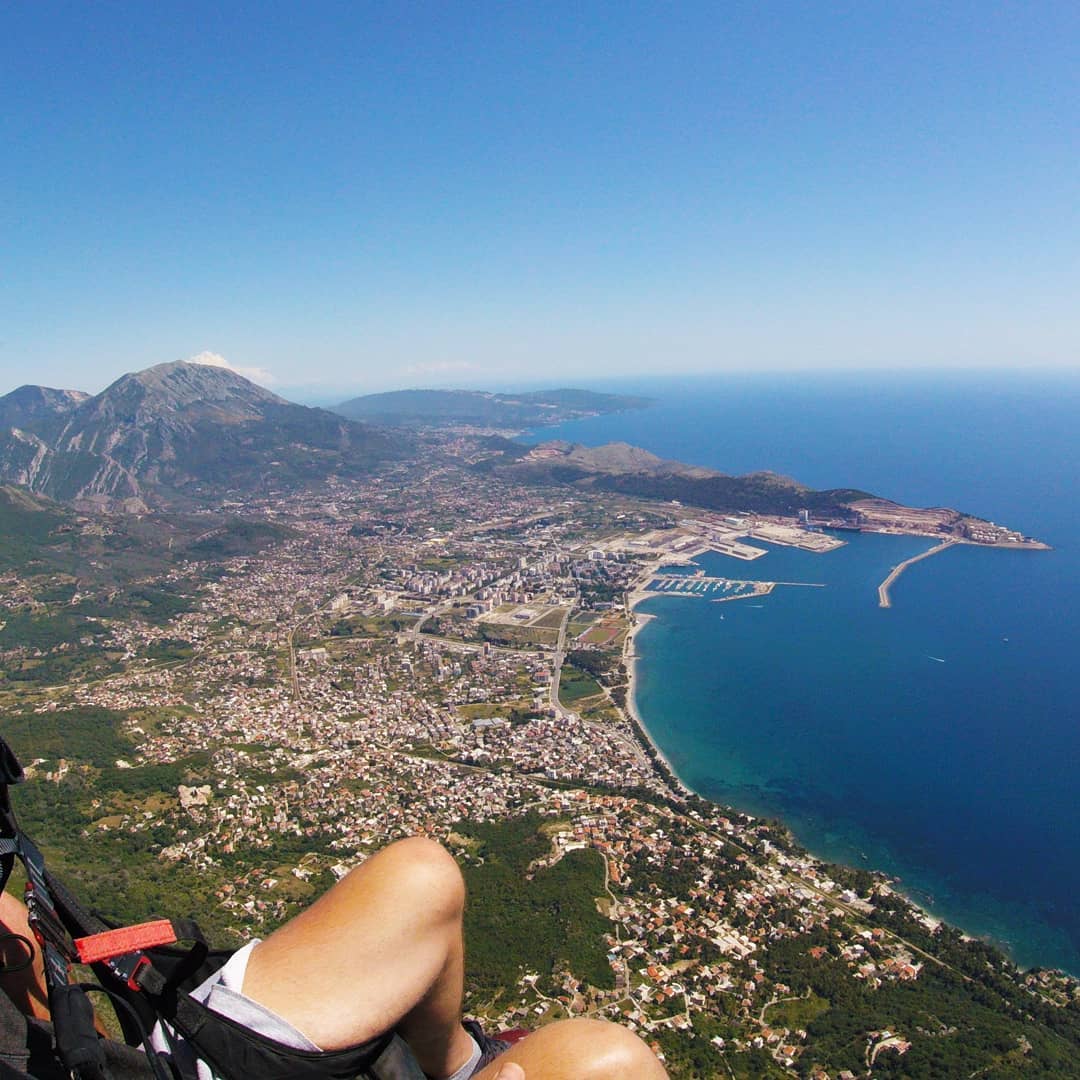
Montenegro is buzzing with activity on many fronts as of 14 February 2026, from political shifts and EU accession progress to exciting sports developments and breathtaking paragliding experiences. Former PM Dritan Abazović is calling for renewed democratic energy and potential new political coalitions, while the government navigates critical infrastructure valuations and fiscal stability amid ongoing challenges. The national football team continues its fight to qualify for the 2026 World Cup, keeping fans hopeful for upcoming matches and milestones.
Media and Updates: Your Gateway to Paragliding Inspiration
Welcome to the Media and Updates section of Paragliding Beauty Montenegro! Here, you'll find the latest news, stunning visuals, and exciting stories from the skies above Montenegro. Whether it's breathtaking photos of our tandem flights, behind-the-scenes glimpses of our adventures, or updates on new services and events, this is where we keep you connected to all things paragliding.
Stay inspired, informed, and ready to take flight with our media highlights and timely updates. Dive in and experience the beauty of Montenegro from a whole new perspective!
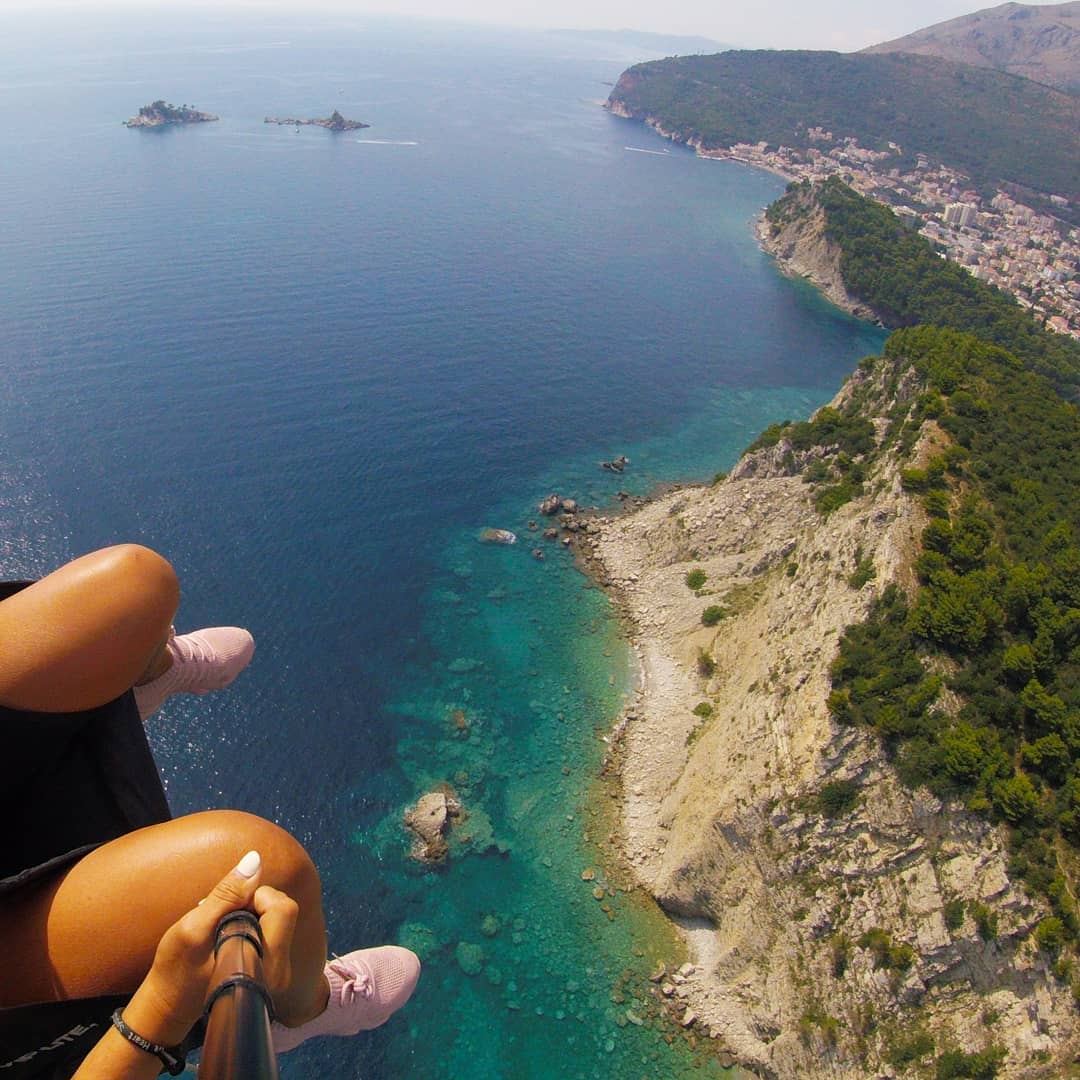
Montenegro is making significant strides in 2026 both politically and recreationally. As the most advanced Western Balkan candidate for EU accession, the country has recently closed five key negotiation chapters, aiming to complete all by 2027 and hopefully secure membership by 2028. Despite these successes, the European Union calls for more intensive reforms, especially in judiciary independence and the fight against corruption. Meanwhile, domestic political adjustments and local tensions continue to shape Montenegro’s governance, while on the international stage, the country is set to chair the Berlin Process and participate in NATO missions.
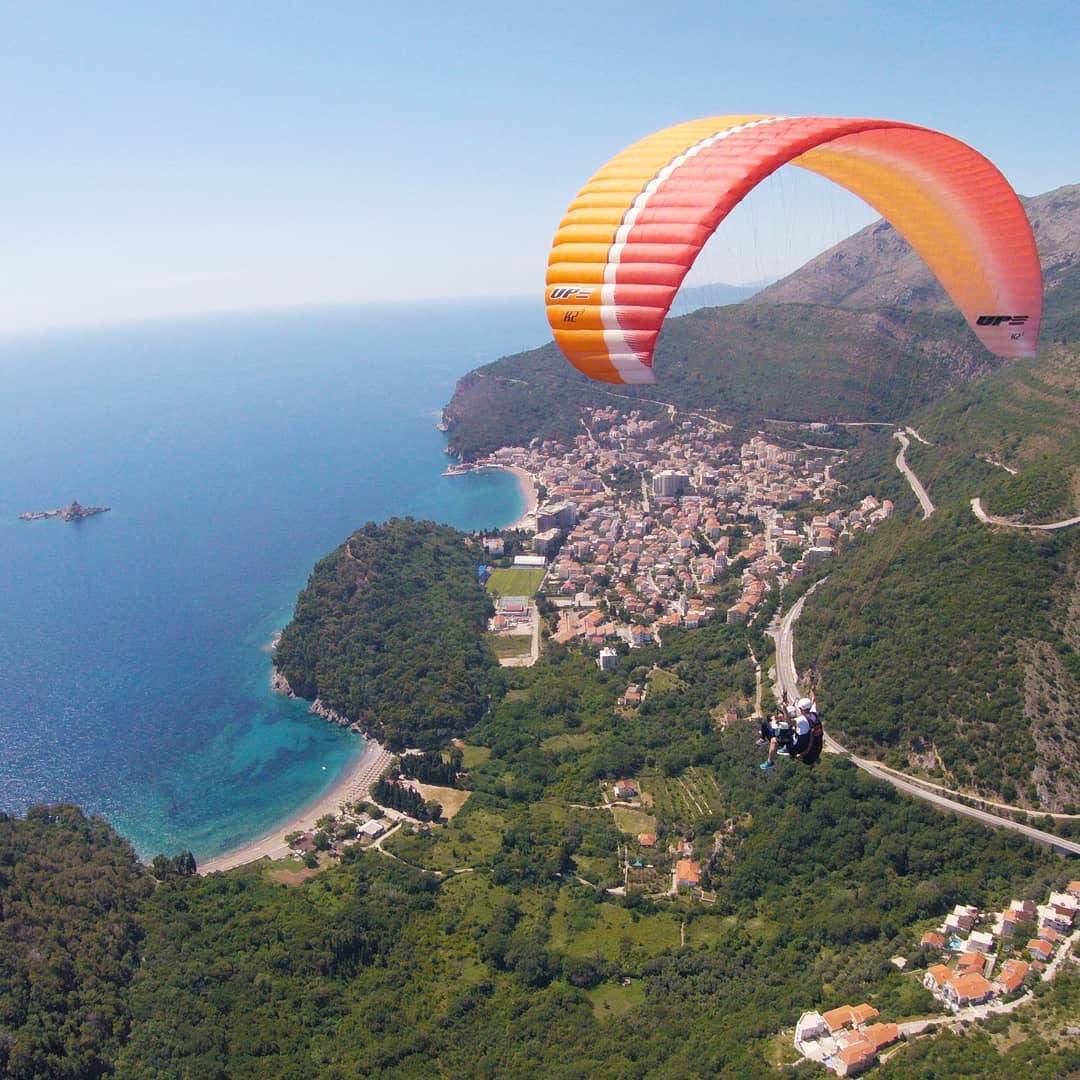
Montenegro stands as the most advanced EU candidate in the Western Balkans, having opened all 33 negotiation chapters and aiming for full membership by 2028. Despite significant progress, intense efforts are still required to meet demanding benchmarks in judicial reform, anti-corruption, and rule of law. Political reshuffles and government tensions highlight the challenges Montenegro faces while it prepares to chair the Berlin Process in 2026, underscoring its ambition to lead regionally and deepen EU integration.
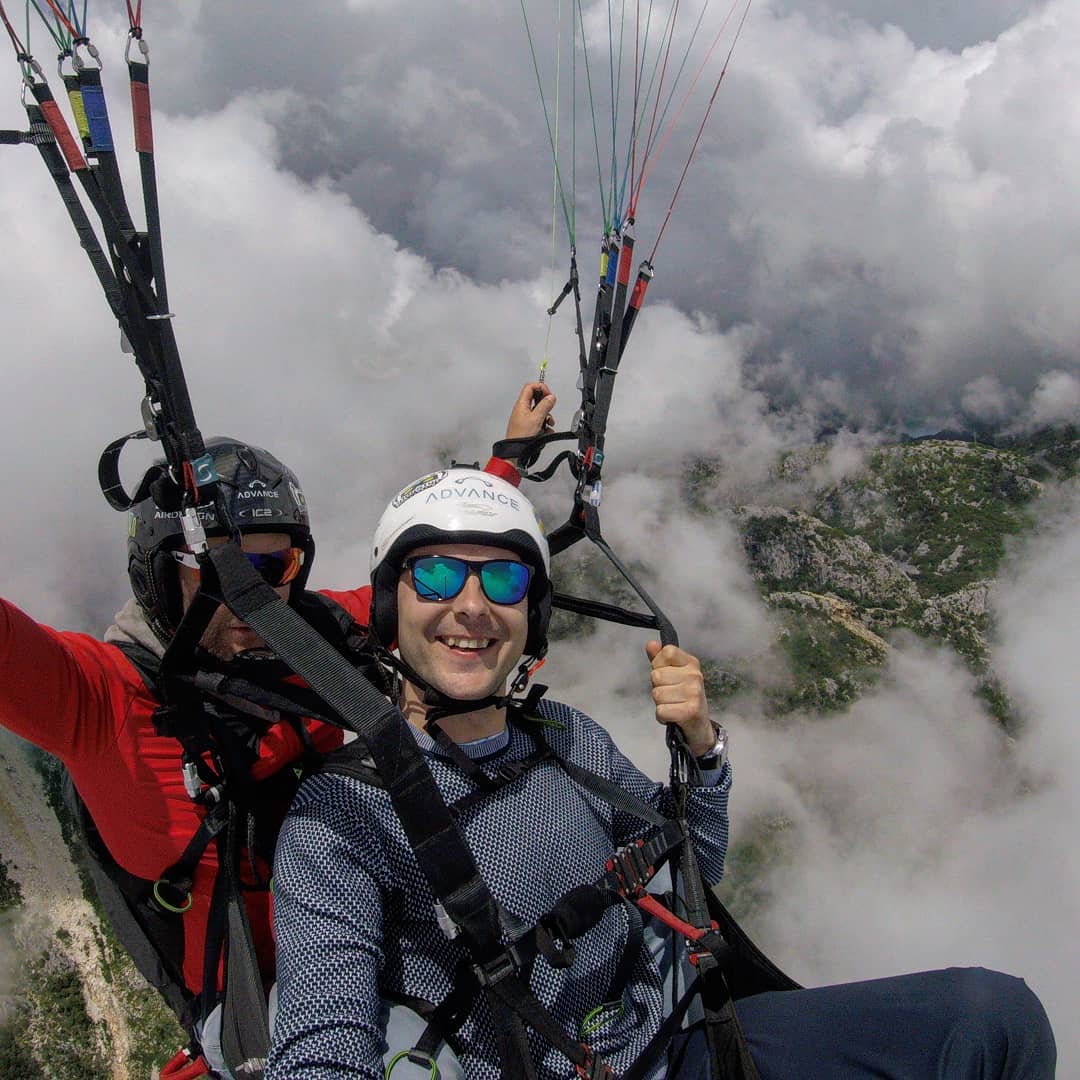
Montenegro is making headlines in early 2026 with a strong focus on diplomacy, infrastructure, and sports, alongside exciting opportunities for outdoor adventure. From high-level meetings in Dubai to preparing for key European roles, the country is actively strengthening its political and economic ties while promoting its natural beauty and adventurous spirit.
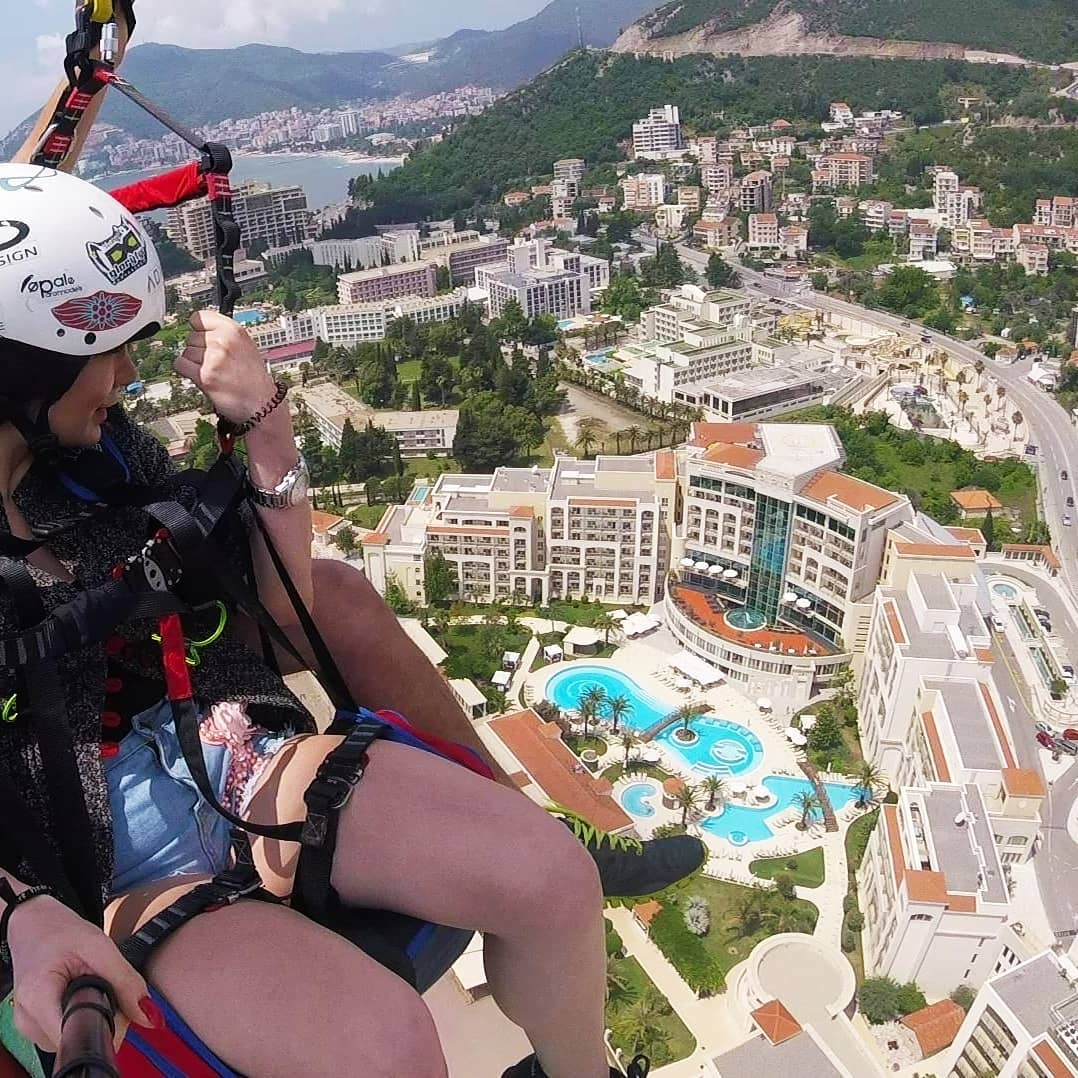
Montenegro is experiencing significant political shifts alongside exciting developments in travel and sports. Recent reforms have been ordered to improve civil registration for marginalized communities, while government resignations raise concerns about infrastructure projects and the country’s EU accession progress. Meanwhile, Montenegro’s sports scene is evolving with new airline partnerships and growing accessibility. Amid these dynamic changes, the breathtaking paragliding experiences over Budva’s coastline offer an extraordinary way to connect with Montenegro’s natural beauty.


